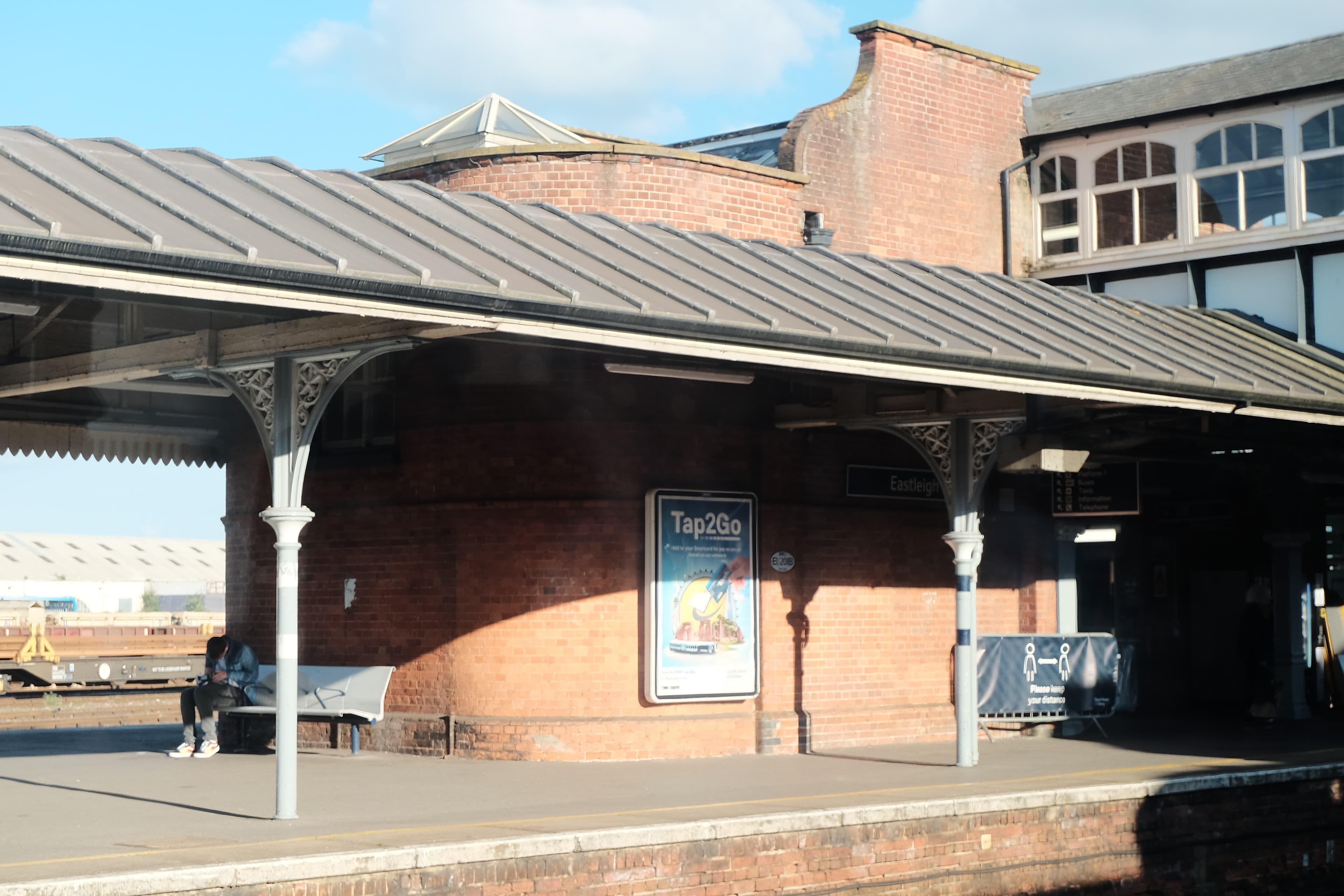
From Railway Hub to Modern Borough: The Story of Eastleigh's Transformation
Discover how Eastleigh evolved from a Victorian railway junction into the vibrant, diverse community it is today.
A Railway Town is Born
Eastleigh's story begins in earnest with the arrival of the railway in 1847. The London and South Western Railway chose this spot in central Hampshire as the location for a major junction and locomotive works. Almost overnight, what had been a small rural settlement began to transform into a bustling industrial centre. The railway company constructed extensive carriage and locomotive repair works, which became the economic heartbeat of the community for over a century.
The arrival of the railway brought employment, housing development, and infrastructure. Workers flooded into the area, and Victorian terraced houses sprang up to accommodate them. The railway works became one of the largest employers in Hampshire, and Eastleigh's identity became inseparable from its role as a railway town.
The Golden Age of Engineering
Throughout the late 19th and 20th centuries, Eastleigh's railway works were renowned for engineering excellence. The facility produced locomotives and rolling stock that served the nation's railways for decades. This heritage is still celebrated locally, with many residents tracing their family history to the works. The Eastleigh Railway Heritage Centre preserves this proud industrial past and welcomes visitors interested in learning about the town's engineering legacy.
The prosperity brought by the railway works meant investment in the community. Schools, shops, and public buildings were constructed to serve the growing population. The town developed a strong sense of identity and community spirit that remains evident today.
Adapting to Change
Like many railway towns, Eastleigh faced challenges in the latter part of the 20th century. The railway works gradually declined, and the town needed to reinvent itself. Rather than fade away, Eastleigh has successfully diversified its economy. Today, the borough is home to a range of businesses, from retail and hospitality to technology and professional services.
The town centre has been revitalised with modern developments while maintaining connections to its heritage. Fleming Park, with its leisure facilities and green spaces, provides recreational opportunities for residents. The High Street and surrounding areas continue to evolve, balancing new investment with respect for local character.
Modern Eastleigh
Today, Eastleigh is a thriving borough with a population of around 130,000. It remains well-connected by rail, with excellent transport links to Southampton, London, and beyond. This accessibility has made it attractive to commuters and businesses alike.
The community continues to grow, with new housing developments and infrastructure projects shaping the future. Young families are drawn to the area's schools, parks, and amenities. Meanwhile, locals and visitors can explore Eastleigh's railway heritage at various heritage sites and through the stories told in the community.
From Victorian railway junction to modern borough, Eastleigh's journey reflects broader changes in British industry and society. The town's ability to adapt while honouring its heritage offers an inspiring example of community resilience and renewal.
Share this article