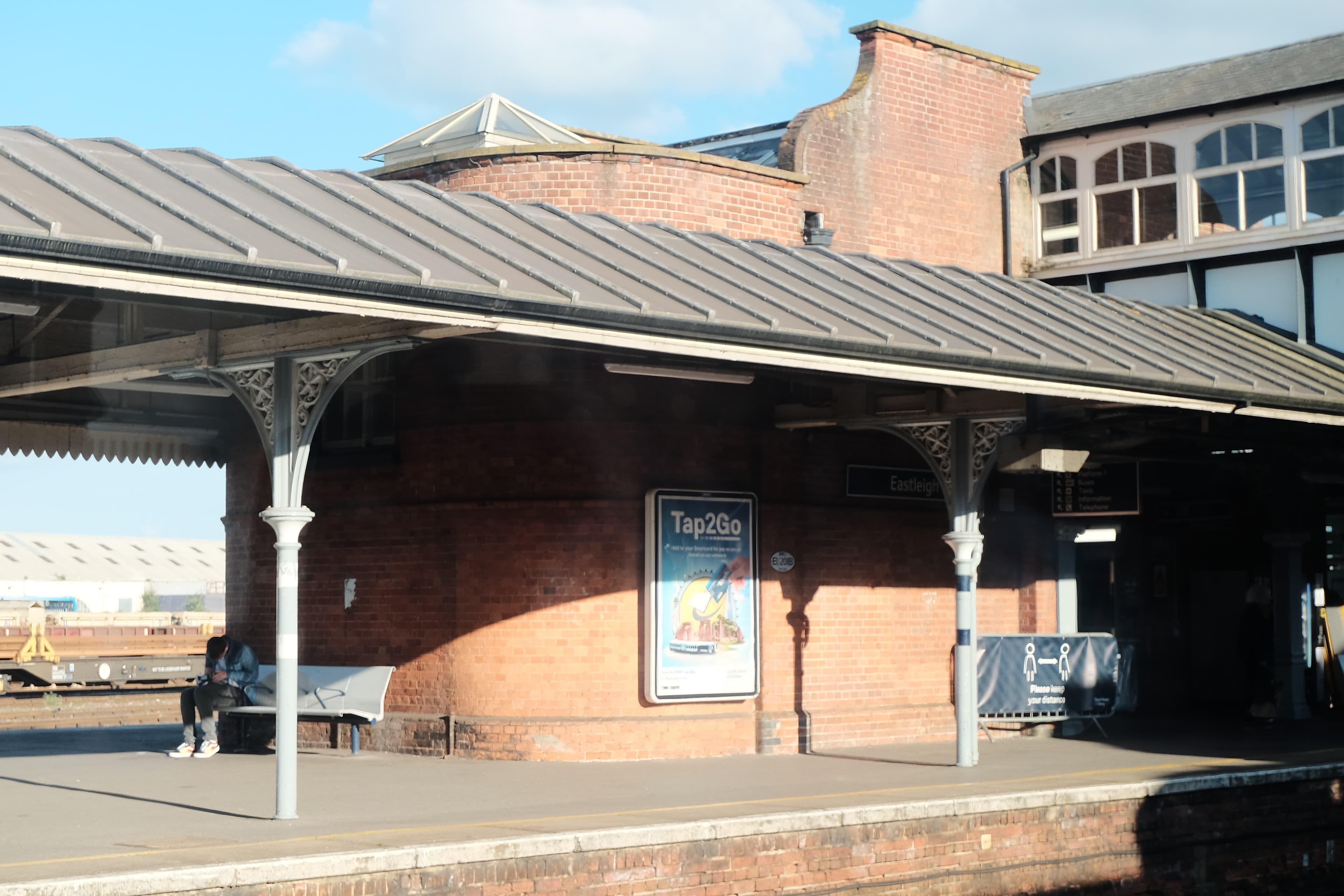
Eastleigh in the Victorian era: how the railway shaped the town
From a rural village to a thriving railway hub, Eastleigh's Victorian transformation tells a fascinating story of progress and community.
A village transformed by steel and steam
When Queen Victoria came to the throne in 1837, Eastleigh was little more than a rural settlement scattered across the Hampshire countryside. But within just a few decades, the arrival of the railway would completely transform the town's character, economy, and landscape. The key moment came in 1840 when the London and South Western Railway line was completed, passing through what would become Eastleigh's heart.
Initially, there was no station at Eastleigh itself — passengers travelled from nearby towns. However, the railway company's decision to establish a significant junction and carriage works here would prove transformative. By the 1890s, Eastleigh had become home to one of the most important railway engineering facilities in southern England.
The railway works: engine of growth
The establishment of the Eastleigh Railway Works (later famously known for building the Flying Scotsman and other iconic locomotives) created hundreds of jobs and attracted workers from across the country. Victorian terraced houses were rapidly constructed to house railway employees and their families, particularly around what is now the area near Eastleigh station and along roads like Romsey Road.
This workforce needed shops, schools, churches, and services, so Eastleigh's town centre began to develop rapidly during the 1880s and 1890s. The High Street emerged as a proper commercial hub, with Victorian shopfronts and civic buildings that many locals still recognise today.
Victorian Eastleigh's lasting legacy
Walking around Eastleigh today, you can still see evidence of this Victorian golden age. The sturdy Victorian terraced properties that line many of our residential streets were built to house the railway workers. The town's layout itself reflects Victorian town planning principles, with the railway at its heart and the community growing outward from it.
The railway works remained a dominant employer and defining feature of Eastleigh's identity well into the twentieth century. While industrial manufacturing has changed considerably, the railway heritage remains central to Eastleigh's story and character.
Exploring Eastleigh's railway history today
For those interested in learning more about this fascinating period, Eastleigh has several resources worth exploring. The Eastleigh Railway Museum offers insights into the town's railway heritage, while walking tours of the town can reveal Victorian architecture and street layouts that reflect this era of growth.
The Eastleigh Works Memorial and various heritage plaques throughout the town commemorate the workers and innovations that made Eastleigh a centre of Victorian industrial excellence. Understanding this heritage helps us appreciate how dramatically the railway changed rural Hampshire — and why Eastleigh remains a railway town at heart.
Share this article